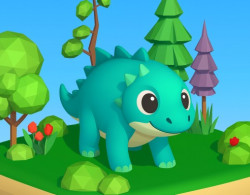
Building a world-class prehistoric safari in Dino Idle Park is thrilling, but many park managers hit an economic bottleneck where expenses outpace ticket revenue. The secret to a profitable dinosaur park is not just unlocking the biggest T-Rex; it is mastering visitor flow, amenity coverage, and enclosure safety.
1. The Triangle of Park Economy: Attraction, Capacity, and Comfort
Your park operates on three interconnected pillars:
1. Attraction Score: Generated by dinosaurs. Higher tier dinosaurs (Velociraptors, Spinosaurus, T-Rex) draw larger crowds.
2. Park Capacity & Flow: Wide walking paths, multi-lane ticket turnstiles, and efficient tram lines that move visitors without crowding.
3. Guest Comfort & Spending: Food stalls, drink stands, restrooms, and gift shops that capture secondary revenue while guests explore.
2. Eliminating Visitor Bottlenecks
If guest queues at ticket booths turn red, prospective visitors will walk away, directly costing you revenue. Always upgrade ticket gate throughput before spending millions hatching a new dinosaur.
Ensure wide connecting pathways between popular exhibits to prevent guest congestion, and place restrooms and snack bars within 5 tiles of every major viewing gallery.
- Upgrade entrance ticket turnstiles whenever queue times exceed 10 seconds.
- Place high-profit gift shops near the exits of major dinosaur exhibits.
- Keep fence durability upgraded above 80% to eliminate escape risks.
- Maintain clean restrooms across every park quadrant.
3. Research Tree and Genetic Sequencing
Invest your research points into DNA extraction efficiency and habitat automated feeding troughs. Automated feeding reduces operational maintenance costs and keeps dinosaur happiness at 100%, maximizing their visitor attraction multipliers.
4. Enclosure Security and Emergency Response
Carnivores like Raptors and T-Rex generate massive ticket sales but occasionally test fence strength. Hire trained ranger squads and install electrified backup generators to ensure 100% visitor safety ratings, avoiding costly lawsuit penalties.
5. Pricing Strategies for Maximum Revenue
Adjust ticket prices dynamically: when park rating exceeds 90%, raise admission fees by 15%. Visitors will happily pay premium prices as long as sanitation and amenity ratings remain high.
6. Staged Expansion Roadmap
Follow the golden expansion rule: Never open a new dinosaur sector until the preceding sector's food and gift stalls generate enough passive revenue to cover the new habitat's daily maintenance.
7. Herbivore Tranquility Zones vs Carnivore Excitement Hubs
Organize your park into distinct thematic zones for maximum efficiency:
• Herbivore Family Area (Brachiosaurus, Stegosaurus): High visitor throughput, family-friendly snack bars, low security risk, steady baseline ticket revenue.
• Carnivore Thrill Zone (Raptors, T-Rex): Extreme visitor excitement, high ticket elasticity, expensive security maintenance, high-margin VIP merchandise shops.
Separating high-risk carnivores from high-density family zones ensures that in the rare event of a power outage, containment teams can isolate the breach before guests are panicked.
8. Dynamic Admission Pricing Formulas
Monitor your park reputation meter closely. When satisfaction exceeds 95%, increase ticket prices by $5 increments until queue flow matches park capacity, ensuring you extract maximum profit per visitor without deterring attendance.
9. Genetic Breeding and Hybrid Creation
Once your park reaches 5 stars, unlock the Genetic Fusion Lab to crossbreed hybrid dinosaurs. Hybrids generate 300% more attraction value than standard species, allowing you to double ticket prices and fund park expansion into alpine and jungle biomes.
10. VIP Tourist Delegations and Global Park Ratings
Reaching high reputation triggers VIP celebrity delegations. Satisfying VIP preferences (such as high-speed express tram access to rare Pterodactyl aviaries) awards massive lump-sum grants that instantly fund your next island expansion.
11. Veterinary Care and Prehistoric Healthcare Infrastructure
Maintaining animal health is critical to preserving high visitor satisfaction. Construct automated medical quarantine bays and deploy mobile veterinary jeeps to treat sick Stegosaurus and Triceratops before illness spreads across adjacent paddocks.
12. Sanitation and Park Cleanliness Staff
Hire dedicated sanitation sweepers and trash recycling bins along all food court boulevards. Litter accumulation reduces park cleanliness ratings by 20%, which directly lowers guest spending velocity at souvenir stalls.
Equipping staff with high-speed utility golf carts ensures rapid waste disposal across multi-acre park expansions.
13. Park Security Automation and Drone Surveillance
In late-stage park management, deploy automated surveillance drones over carnivore enclosures. Drones spot fence wear 30% faster than ground patrols, automatically scheduling maintenance repairs before structural integrity drops below critical safety levels.
Frequently Asked Questions
Why is my park losing money in Dino Idle Park?
Check your facility maintenance costs versus ticket intake. You likely expanded high-cost enclosures before building enough food and gift stalls to monetize visitors.
What is the best early dinosaur to hatch?
Triceratops and Stegosaurus offer the best early-game balance of low feeding costs and high family attraction scores.
Ready to test your strategy?
Jump into Cookie Clicker 2 in your browser. Apply these upgrade routes, Golden Cookie combos, and ascension timings directly in the live game.
Verified Sources & References
Related Guides
View allCookie Clicker Ascension Guide: When to Ascend and What to Buy First
A practical Cookie Clicker ascension guide for first ascension timing, Heavenly Chips, prestige levels, and early permanent upgrade choices.
Cookie Clicker Golden Cookie Guide: Frenzy, Lucky, and Combos
A practical Cookie Clicker Golden Cookie guide covering Frenzy, Lucky, Click Frenzy, Dragonflight, Get Lucky, and combo windows.